


Intro
New wave sometimes gets a bad rap about being too singles-oriented (music videos may have contributed to that perception). But beyond the hits and haircuts, the style has a lot of solid album tracks, many of which I discovered in college with Napster and Friends. Here are some hidden gems from 1979 to 1981:
"The lyrics to Black Hit of Space are among the most absurd, including the standout 'The (record) arm was less than 1 micron long but weighed more than Saturn.'"
The Cars - Panorama
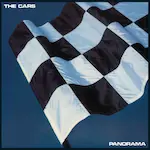
From their first single Just What I Needed, the Cars had a power-pop bend to their music. But they also had some avant-garde tendencies (see Moving in Stereo). In their third album Panorama, they explored this further. The opening title track is a 6-minutes plus synth workout that floored me upon first listen. Strangely (but in a good way), synthpop influencers Kraftwerk is a major influence on this track, but it still has the Cars’ special sauce. Their usual guitars take a backseat (though there’s still Cars-style riffs). Ric Ocasek’ takes a new, robotic approach to the vocals while preserving the urgency he’s known for. The song title is repeated vocoder-style. The eerie, high-pitched synths, along with semi-mechanized drums draw from the detached, futuristic synthpop side of the new wave coin. The strong start-stop dynamics (from right at the intro) jars the listener on purpose. With it being the album opener, it sends an immediate message the Cars are going in a different direction.
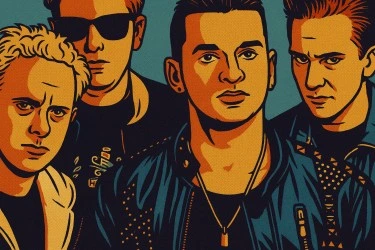
Depeche Mode - Photographic
Vince Clarke (later of Yaz and Erasure) wrote and provided synths (usually in his bouncy style) for Depeche Mode’s debut album in 1981. After his departure, Gore took over songwriting and, along with Fletcher and Wilder, slowly darkened their sound. The culmination of this is their 1986 album Black Celebration. But the first song they ever put on a record, Photographic (Bizarre version), provided a hint at what was to come. When I stumbled upon it I thought “Wow, Vince can go dark!”.
Photographic opens with a hard-edged, driving synth riff that sets a colder, more aggressive tone than their later polished work. The drums are minimalist yet relentless, giving an icy rhythm. And while Depeche was synth-heavy (especially in the early ‘80s), the ones in Photographic are sharp and angular. That, along with its raw lo-fi aesthetic, also give this song a Post-punk and Joy Division feel.
Dave Gahan’s vocal delivery is distant and robotic, reinforcing the song’s themes of detachment and mediated reality. The chorus makes detached references to photography (e.g. “dark room”), reflecting the emotionally flat rendition of the verses
⇩ Depeche Mode Song Commentaries
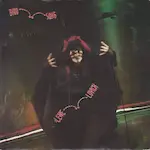
Human League - The Black Hit of Space
The two Human League albums before the megahit Don't You Want Me had Phillip Oakey as the only main vocalist (Sulley and Cathrall hadn’t joined yet). And much to my surprise, it sounded quite different. Their debut owed a lot to Kraftwerk and other krautrock. The follow-up, Travelogue, was more accessible but the style was similar. The Black Hit of Space provides more energy. The song has an ominous, sci-fi feel to it, almost as if it could be on Battlestar Galactica or Doctor Who. In fact, Oakey references Buck Rogers. The melody is dystopian; there are multiple synths that clash with each other. The drums are stark and repetitive, allowing the synths to run rampant. Oakey’s matches this with his signature robotic vocals, a far cry from the 1986 Jam Lewis-coached hit Human.
Given the melodic gravitas, is the song about death? War? No, its a track poking fun at pop music dominance. The lyrics are among the most absurd in Human League history, including the standout “The (record) arm was less than 1 micron long but weighed more than Saturn.” It shows Oakey’s lyrical range, and that he has a sharp sense of humor. The dissonant, anti-pop melody bolsters the song’s complaints about pop music eating up musical creativity (the lifeblood of new wave music).
⇩ Human League Song Commentaries Available in the Vault
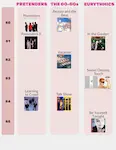
Lene Lovich - The Bird Song
Lene Lovich was a busker-turned-new-wave-artist. Her cult hits, like the Thomas Dolby-penned New Toy, are pop while maintaining elements of Lovich’s eccentricities. But Bird Song is a full expression of her avant-garde nature. The standout feature is Lovich’s dramatic, operatic vocal, with her leaping between registers to mimic the eerie unpredictability of a bird call, which impressed me. There are wordless vocal effects that would make the B-52s and Yoko Ono blush. They act as both ornament and texture, blurring the line between melody and sound design.
Bird Song is minimal. What’s there (the bass, echoing drums, and synth flutters) emphasize the song’s space and strangeness. The supporting synth pattern is circular and hypnotic, creating a sense of unease throughout. Finally, the song’s unusual time feel and phrasing break from pop conventions, cementing its place in the new wave weirdness pantheon. >
That being said, the subject of the song is more conventional. Lovich laments that her partner left her, and I believe he cheated on her with the “bird”.
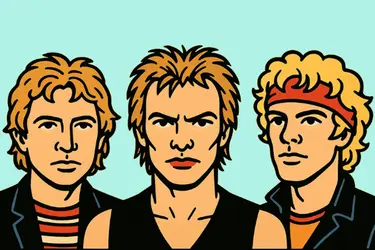
The Police - The Bed’s Too Big Without You
The Police had a unique sound as they grafted reggae elements to their new wave sound. The Bed’s Too Big Without You blends reggae’s offbeat rhythm and dubby spaciousness with the Police’s sharp post-punk edge, exemplifying the kind of genre hybridization that made early new wave so sonically adventurous. The rolling, hypnotic bassline and Sting’s wailing vocals give it a reggae sound. The straightforward lyrics are about the aftermath of a breakup, and sleeping alone is used as an example. Sting has an underrated sense of humor that he selectively employs. The lone (but still hilarious) example in Bed is the quip “I made love to my pillow but it didn’t feel right”. Sting’s vocals convincingly convey his heartache and regret for the one mistake he made to trigger his girlfriend leaving (I believe it was cheating). Copeland’s drums are chock full of reverb, emphasizing offbeats and ghost notes, enriching the emotional void Sting is expressing. And Summers’ guitars avoid riffs in favor of echo-drenched chords and ambient fills, supplementing the other elements. Finally, an instrumental break (vocal void) midway through seals the deal!
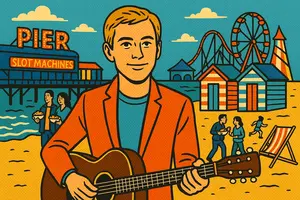
Squeeze - Separate Beds
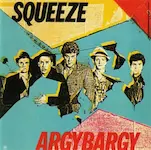
Difford’s instrumental arrangements and Tilbrook’s strong observational, narrative lyrical style were the recipe for Squeeze's strong album track chops. A great example of this is Separate Beds. It subtly fuses classic British songwriting with new wave's jittery energy, its restless guitar lines and melancholic keys mirroring the emotional disconnect at the heart of the story. The narrator is the young boyfriend who takes his girlfriend on a trip to get space from their disapproving mothers. But the “separate beds” are a metaphor for her pushing him away. He questions spending his literal and emotional “wages” on his “peach”. Tilbrook’s cranks up the melancholy to support the lyrics. The jittery, new wave-style guitar section underscore that something’s off about their relationship. Squeeze were light on the synths but used them well, the bridge of Separate Beds being a good example. The push and pull of their relationship is further reinforced by the song’s brisk movement between subdued verses and slightly lusher choruses and bass guitar’s funky counterpoint to the melody.
⇩ Squeeze Song Commentaries Available in the Vault


Conclusion
New wave wasn’t just about radio hits or flashy visuals - it was an album lover’s genre too. These deep cuts reveal the texture, tension, and experimentation that defined the era. So if you're only scratching the surface, it's time to dive deeper. There’s plenty more where these came from.
Like this article? The Vault has bonus writeups on five articles.
A new one every month.
($8/month USD) Secure checkout with Gumroad